
Digital vs Analog Psychiatric Safety Clocks: Let’s Compare
When selecting psychiatric safety clocks for behavioral health environments, one of the most common questions is whether digital or analog clocks are the better option. The answer depends on several factors, including visibility, environment, and patient needs.
Both digital and analog clocks can be utilised within a psychiatric setting; however, each provides unique benefits when considered in relation to their intended consumer group and instructional requirements.
Digital Psychiatric Safety Clocks
Digital clocks are widely used in behavioral health facilities due to their clear and easy-to-read displays. They often use LED technology, which provides high visibility in a range of lighting conditions.
Advantages of Digital Clocks
- Clear, highly visible time display
- Easy to read from a distance
- Suitable for low-light environments
- Can integrate with facility systems
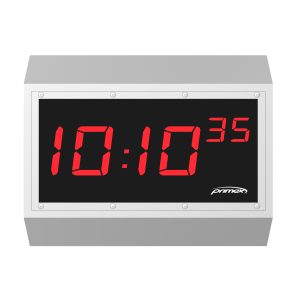
These characteristics of digital clocks also make them suitable for use in many places where timely information of the time is often required.
Analog Psychiatric Safety Clocks
Analog clocks are a very familiar format. Many patients find them easy to understand because of their visual depiction of time.
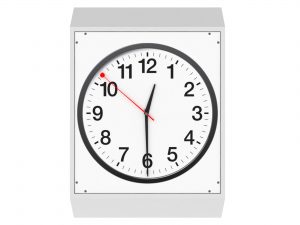
Advantages of Analog Clocks
- Familiar and easy to understand
- Helps visualize time progression
- Suitable for a wide range of patients
Analog clocks can be quite hazardous, and therefore would have to be heavily modified or fully encased in order to be safe.
Safety Considerations for Both Types
Important Clock and Digital Safety Considerations Regardless of whether it is a digital or analog clock, the overriding concern is always going to be one of safety. Both types of clock must be designed or installed to limit the risk of ligature and to prevent them from being tampered with.
There are a variety of reasons as to why facilities install anti ligature clock enclosures or request ligature resistant clocks for their facilities.
Which Option Is Best?
There isn’t a simple answer. Ultimately, the most effective barrier will depend on a number of factors including the specific site and level of contamination present.
- Digital clocks are often preferred for visibility and clarity
- Analog clocks may be preferred for familiarity and ease of understanding
Although the display type is sometimes a consideration, the design and installation of the clock often carry more weight in the decision-making process.
Conclusion
Both digital and analog psychiatric safety clocks can be effective when used correctly. The key is to ensure that whichever option is chosen meets the safety requirements of the environment.
Facilities can improve safety and functionality in their buildings by focusing their efforts on design, installation and overall clock product suitability. Learn more.