
Understanding how time awareness reduces patient anxiety.
In behavioral health environments, patient wellbeing is influenced by a wide range of factors, many of which are often overlooked. One of the most important, yet underestimated, is time awareness. The ability for patients to see and understand the time plays a significant role in reducing anxiety, improving orientation, and supporting a structured daily routine.
Although clocks may appear to be a simple addition to a room, their presence—and more importantly their visibility—can have a meaningful impact on how patients experience their environment.
The Role of Routine in Psychiatric Care
Routine is a fundamental part of treatment in mental health settings. Patients typically follow structured schedules that include meals, therapy sessions, medication times, and rest periods. This structure provides a sense of stability and predictability, which is essential for recovery.
When patients are able to see the time clearly, they can better understand their daily schedule and anticipate what comes next. This helps reinforce routine and reduces the uncertainty that can often lead to increased anxiety.
How Uncertainty Increases Anxiety
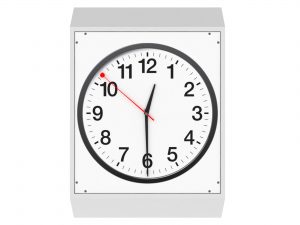
Uncertainty is one of the primary drivers of anxiety in psychiatric environments. When patients do not know what time it is, they may feel disconnected from their surroundings. This lack of awareness can lead to confusion, frustration, and heightened stress levels.
For example, not knowing whether it is morning or evening, or how long it is until the next activity, can create unnecessary worry. Over time, this can negatively impact a patient’s ability to engage with treatment.
Improving Patient Orientation
Time awareness is closely linked to orientation. In healthcare settings, orientation refers to a patient’s awareness of time, place, and situation. When patients can easily see the time, it helps ground them in their environment.
This is particularly important for individuals experiencing conditions such as anxiety disorders, depression, or cognitive impairment, where disorientation can be more common.
Supporting Independence and Control
Providing access to time also supports a sense of independence. Patients are able to track their own schedule, prepare for upcoming activities, and feel more in control of their day.
This sense of control can be highly beneficial, as it helps reduce feelings of helplessness and promotes a more positive patient experience.
Delivering Time Awareness Safely
While providing access to time is essential, it must be done in a way that does not introduce risk. In behavioral health environments, this means using solutions that are specifically designed for safety.
Facilities often use solutions such as anti ligature clock enclosures to ensure that clocks remain secure and do not create potential hazards within the room.
These designs allow patients to benefit from clear time visibility without compromising safety.
The Importance of Visibility
For clocks to be effective, they must be clearly visible. Placement is key. Clocks should be positioned where patients can easily see them from key areas such as the bed or seating area.
Poor visibility reduces the effectiveness of the clock and limits its ability to support routine and reduce anxiety.
Conclusion
Time awareness is a simple but powerful tool in supporting patient wellbeing. By providing clear, visible, and safe access to time, behavioral health facilities can reduce anxiety, improve orientation, and create a more stable and supportive environment for patients.
Related Content
Ligature Resistant Clocks for Behavioral Health & Secure Facilities