
Selecting the best clocks for mental health facilities is not simply a matter of choosing a reliable timekeeping device. In behavioral health environments, every fixture must be assessed for safety, durability, and suitability. Clocks are a necessary part of patient rooms, but if they are not designed correctly, they can introduce unnecessary risks.
Because of this, facilities are increasingly moving away from standard clocks and toward purpose-built solutions designed specifically for secure environments.
Why Standard Clocks Are Not Suitable
Standard clocks are designed for general use in homes, offices, and public spaces. They are not built with behavioral health environments in mind. As a result, they often include features such as protruding edges, fragile glass covers, and weak mounting systems.
In psychiatric settings, these features can become safety concerns. Even something as simple as a raised frame can create an attachment point, while a glass front can shatter under impact.
Key Features of Safe Clocks
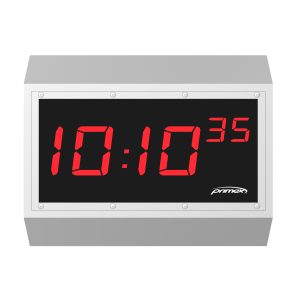
The best clocks for mental health facilities are designed to reduce risk while maintaining usability. They typically include several important features:
- Anti-ligature design with minimal attachment points
- Impact-resistant materials such as polycarbonate
- Secure, tamper-resistant fixings
- Clear and easy-to-read display
These features ensure that the clock remains functional without compromising safety.
Enclosed Clock Solutions
One of the most common approaches to improving safety is the use of enclosed clock systems. These designs house the clock within a protective structure that helps reduce ligature risks and prevents tampering.
Many facilities choose solutions such as anti ligature clock enclosures, which provide an additional layer of protection while maintaining clear visibility.
Types of Clocks Used
There are several types of clocks commonly used in mental health facilities, depending on the level of risk and the design of the room.
Recessed Clocks
Recessed clocks sit flush with the wall, reducing projection into the room and minimizing potential risks.
Surface-Mounted Enclosed Clocks
These are often used in retrofit projects and provide a practical way to upgrade existing rooms.
Digital Clocks
Digital displays offer excellent visibility and are particularly useful in environments where quick readability is important.
Balancing Safety and Usability
While safety is the primary concern, usability must also be considered. A clock that is difficult to read or poorly positioned may not serve its intended purpose. Facilities must ensure that clocks are both safe and effective.
Conclusion
The best clocks for mental health facilities are those that are specifically designed for the environment in which they are used. By selecting solutions that prioritize safety, durability, and visibility, facilities can provide essential functionality while reducing risk.
Careful specification and proper installation ensure that clocks contribute to a safer and more supportive patient environment.
Related Content
Ligature Resistant Clocks for Behavioral Health & Secure Facilities